
Deepa Mehta’s film Water
The film Waterby Deepa Mehta made many serious statements against the struggles the Hindu Indian society forces its women to go through in the name of religion. Mehta managed to emphasize patriarchy and the oppression of widows in Hinduism by criticizing many patriarchal attitudes that are classified under forms and structures of oppression against women which disturbed the peace of many Hindu conservatives who considered the film as an offensive attack on the Hindu culture and religion.
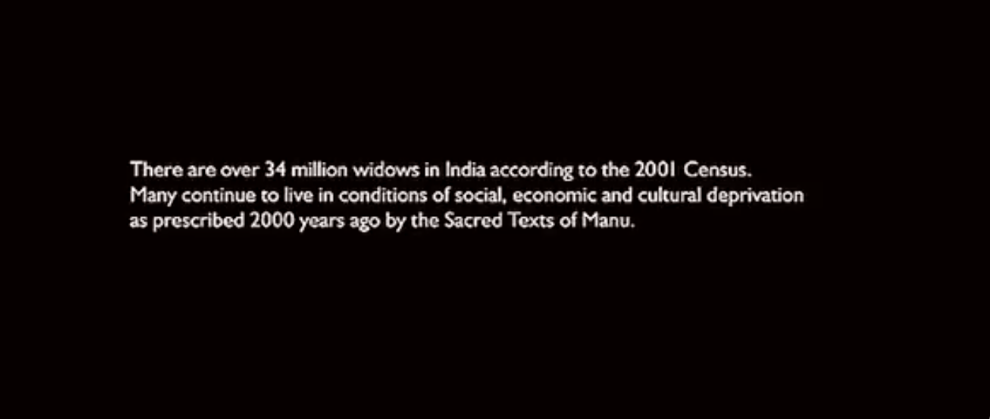
The first scene I choose is the claim Mehta chose to end the film Waterwith. That “there are thirty-four million widows in India according to the 2001 Census. Many continue to live in conditions of social, economic, and cultural deprivation as prescribed 2000 years ago by the Sacred Texts of Manu” (The Ancient Hindu Law book). I believe that the message Mehta is trying to broadcast through that claim is that patriarchy and the mistreatments of widows are deep rooted and are still an ongoing issue in modern India. That although the film is set in the 1930s, the struggles that many widows went through continues despite of the Hindu reformist tradition that sought to facilitate widow’s lives by granting them the right to remarry. Mehta highlights the promise of reform in the film Waterwith Chuyia by painting an image on the viewers minds of Chuyia with a happier future. Mehta stresses on the fact that Chuyia would’ve had a better future if the Indian society implemented these reforms and followed Gandhi.
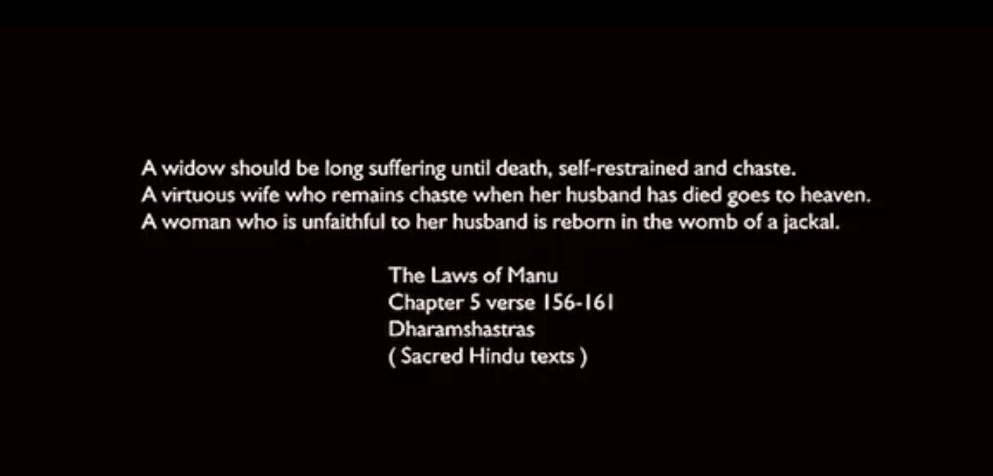
In addition to the closing scene, Mehta begins the film with another text from the laws of Manus, that raises questions on the human condition and identities in a society. The claim provides instruction that women are obligated to follow if their husbands die, that “A widow should be long suffering until death, self-restrained and chaste. A virtuous wife who remains chaste when her husband has died goes to heaven.” Here come the questions of ‘who are we?’ who are women without their husbands? How come the whole existence of a human being depends on another? How come the whole subjecthood and moments of objectification of women rely on a male figure? And do women only belong to other human beings rather than themselves? Mehta emphasizes that the text from the laws of Manus indicates negative attitudes towards widows and women in general.
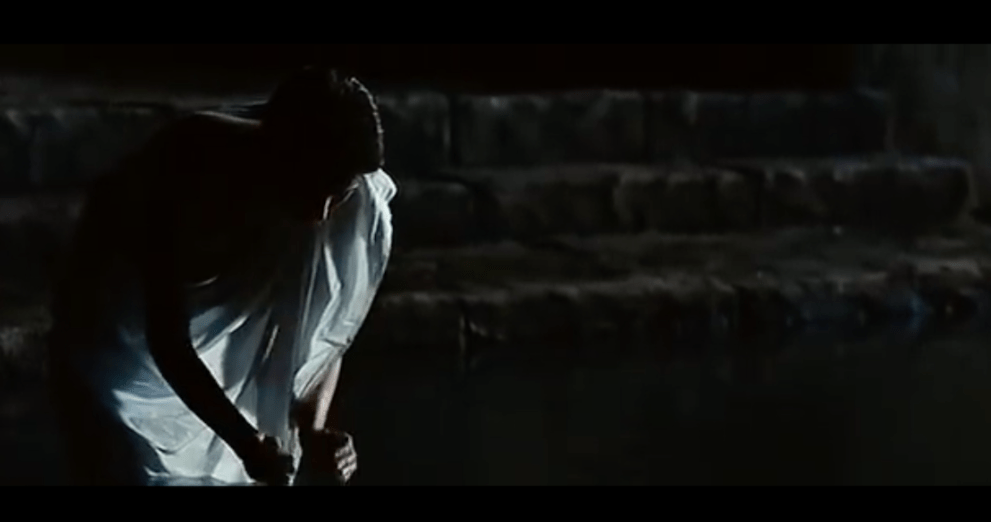
The second scene I choose from the film Wateris when Kalyani commits suicide when she drowns herself in the waters of the sacred Ganges river. Rivers in general symbolize nature, power, fertility, and the passage of time. However, in the film Waterby Deepa Mehta, the Ganges river symbolizes the mistreatments and injustices of widows that are caused by the Hindu conservatism. Therefore, Mehta included a scene that highlights the power one’s surrounding has on them. In this scene, Kalyani, a young widow that was forced into prostitution to supply the ashram financially decided to end her life by drowning herself in the water of the Ganges river. Mehta set Kalyani as an example of many oppressed widows that are tied down by the weight of their surroundings. Traditional beliefs and values tend to play a really important role in tying down women. Some societies deny women their simplest rights and prevent them from living their lives normally because of the expectations that were set for them.
Scenes:
Noof Almansoori
 Water Final Project